Trusted Writing on History, Travel, and American Culture Since 1949
SEARCH 75 YEARS OF ESSAYS!



Featured Essays
New evidence finally settles the 150-year-old debate as to whether Alexander Graham Bell or Elisha Gray first invented the telephone.
Some writers ignore a mountain of evidence contrary to their theories about the telephone's development.
Museums and historic sites across the Southeast help us better understand Andrew Jackson, who helped define American democracy but also championed the brutal treatment of indigenous peoples.
America 250!
Rethinking the Boston Massacre | Special Issue - George Washington Prize 2018, Vol 63, No 2
By Eric HinderakerIt is one of the most notorious incidents in American history, and also one of the least understood.

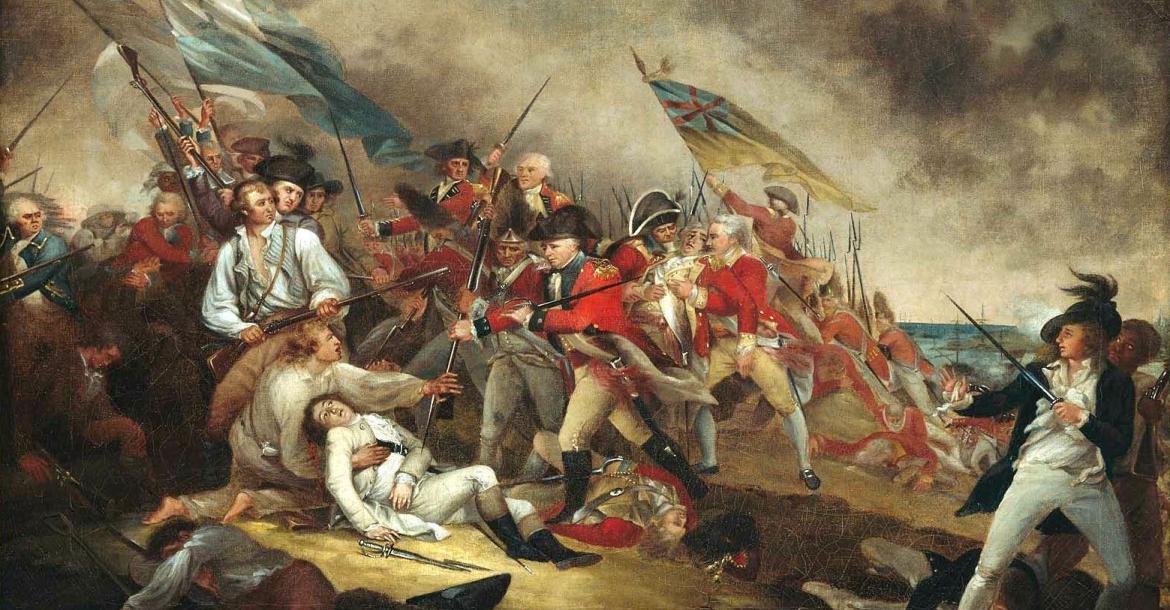
The Turning Point in the Revolutionary War | October 1997, Vol 48, No 6
By Richard M. Ketchum
The Shots Heard Round the World | Spring 2025, Vol 70, No 2
By John FerlingWhat began as a civil war within the British Empire continued until it became a wider conflict affecting peoples and countries across Europe and North America.

Drama at the Old North Bridge | Spring 2025, Vol 70, No 2
By Rick Atkinson“Now the war has begun and no one knows when it will end,” said one minuteman after the fight.

What Does “Consent of the Governed” Actually Mean? | Summer 2026, Vol 71, No 3
By Gordon S. WoodOur Founders profoundly transformed the way people participate in government.

Classic Essays from the Archives
“Perdicaris Alive or Raisuli Dead” | August 1959, Summer 2025, Vol 70, No 3
By Barbara W. TuchmanJohn Hay’s ringing phrase helped nominate T. R., but it covered an embarrassing secret that remained concealed for thirty years.
Did Sally Hemings and Thomas Jefferson Love Each Other? | Fall 2008, Summer 2025, Vol 58, No 5
By Annette Gordon-ReedTo call it a loaded question does not begin to do justice to the matter, given America’s tortured racial history and its haunting legacy.

“The Tide is Setting Strongly Against Us” | Winter 2010, Vol 59, No 4
By Edward L. AyersLincoln’s bid for reelection in 1864 faced serious challenges from a popular opponent and a nation weary of war.
SUPPORT AMERICAN HERITAGE BY BUYING A NEW EBOOK!